
Palm Products
Our BusinessDriving Sustainable Growth Through Responsible Plantation
TSH is predominantly an upstream player in the plantation business with landbanks strategically located in Kalimantan, Sumatera, and East Malaysia. Our plantation footprint encompasses over 51,000 hectares of oil palm planted areas in Malaysia and Indonesia, including management of more than 12,000 hectares under our associate company, Innoprise Plantations Berhad. We are committed to sustainable plantation practices, ensuring that best management practices are applied across our operations. In addition to cultivating oil palm, we operate mills that process fresh fruit bunches into crude palm oil and palm kernel. TSH has formed a joint venture with Wilmar International Ltd. to operate a palm oil refinery, along with a fractionation and palm kernel crushing plant, in Sabah.
Our Presence

Estates

Mills

Refinery
%
CPO & PK traceable to supplying palm oil mills
%
FFB traceable to plantation
%
FFB traceable to plantation
Palm Products Value Chain
At TSH, we are committed to producing high-quality and sustainable palm products by integrating best management practices and highly efficient processes throughout our value chain. From cultivating fresh fruit bunches (FFB) to processing and delivering premium palm oil products, every step of our operations is guided by sustainability, innovation, and excellence.
Our dedication to sustainability ensures that our products meet the highest standards while minimizing environmental impact. By adhering to strict industry certifications and implementing innovative practices, we prioritize the long-term health of our ecosystems and communities.
The value chain encompasses:
- Cultivation: Employing sustainable plantation methods to produce quality FFB.
- Processing: Utilizing advanced milling and refining techniques to ensure efficient extraction of crude palm oil and palm kernel.
- Renewable Energy: Harnessing biomass and biogas from palm oil mill byproducts to generate sustainable energy, reducing greenhouse gas emissions and contributing to climate action.
- Refinement: Producing premium refined products tailored to diverse markets.
Through collaboration, innovation, and a steadfast commitment to sustainability, we create value for our stakeholders and contribute to a greener future

Oil Palm Estate

Nursery & Planting
Upkeep
Harvesting

Palm Oil Mill
Oil Extraction
Kernel Extraction

Downstream Business
Refinery

Bio-Integration Complex
Best Management Practices (BMP)
Soil Management
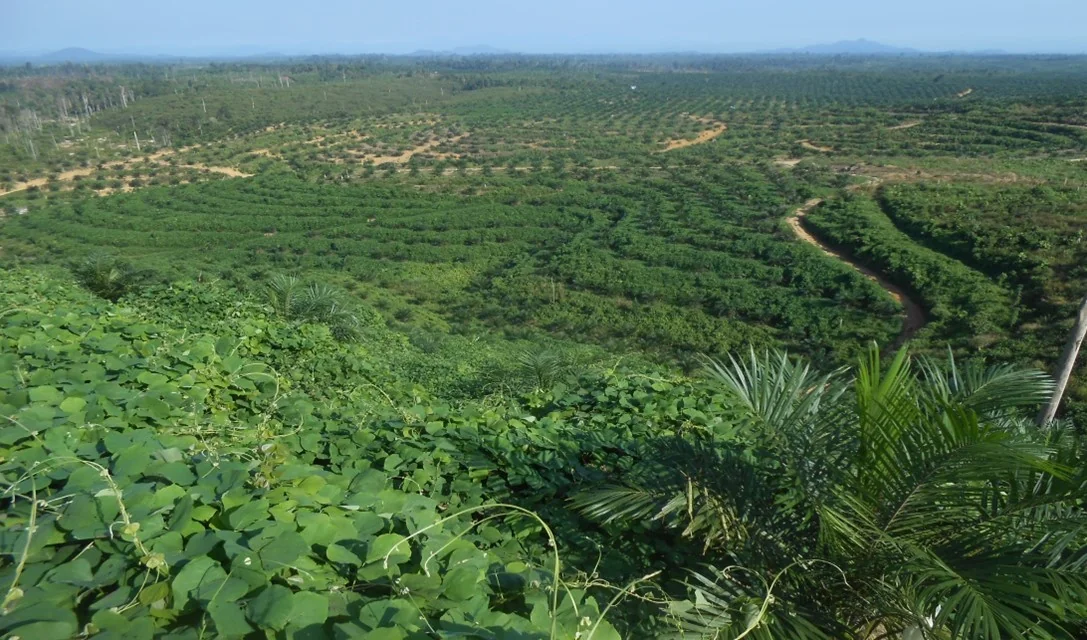
Incorporating sustainable practices such as buffer zones near waterways, reforestation of degraded areas, and integrated pest and weed management supports biodiversity and reduces reliance on chemical inputs. By enhancing soil biodiversity and maintaining ecosystem health, these approaches enable plantations to achieve long-term productivity while safeguarding the environment.
Water Management & Conservation
Our approach includes a variety of innovative methods aimed at maximizing water efficiency:
Rainwater Harvesting and Water Conservation in Plantation Blocks
Community Drinking Water Facilities
Rivers and Water Quality Monitoring
Water Stewardship and Resilience
TSH recognises water as a critical natural resource that underpins the resilience of its plantation, milling and manufacturing operations, p articularly in the context of climate variability and changing weather patterns. The Group adopts a responsible water management approach focused on efficient water use, protection of water quality and compliance with regulatory and certification requirements. Key practices include monitoring water consumption, managing effluent and wastewater discharges, and implementing measures to reduce water intensity and minimise environmental impact. Where appropriate, treated effluent and rainwater are reused to optimise resource efficiency. Water-related risks, including availability and climate-related impacts, are integrated into the Group’s climate risk assessments and operational planning to support business continuity, environmental stewardship and long-term sustainability.
Water Conservation in Plantation Blocks
Mechanization for Operational Efficiency
To further enhance efficiency across our plantations, we utilize mechanization, which improves productivity and reduces labor intensity:
- FFB Grabbers: These machines simplify the collection of fresh fruit bunches (FFB), reducing manual labor and optimizing harvesting time.
- Mechanical Buffalos: These rugged, all-terrain vehicles facilitate transportation within the plantation, improving logistics and enabling smoother operations.
- Assisted Spraying and Fertilizer Application: Mechanized sprayers and applicators enable precise, efficient distribution, minimizing resource use and ensuring consistent coverage.
- Drones: We employ drones to monitor crop health, map fields, and assess growth patterns, allowing for data-driven decision-making that improves overall yield and resource management.
Integrated Pest Management Practices
Planting Beneficial Plants
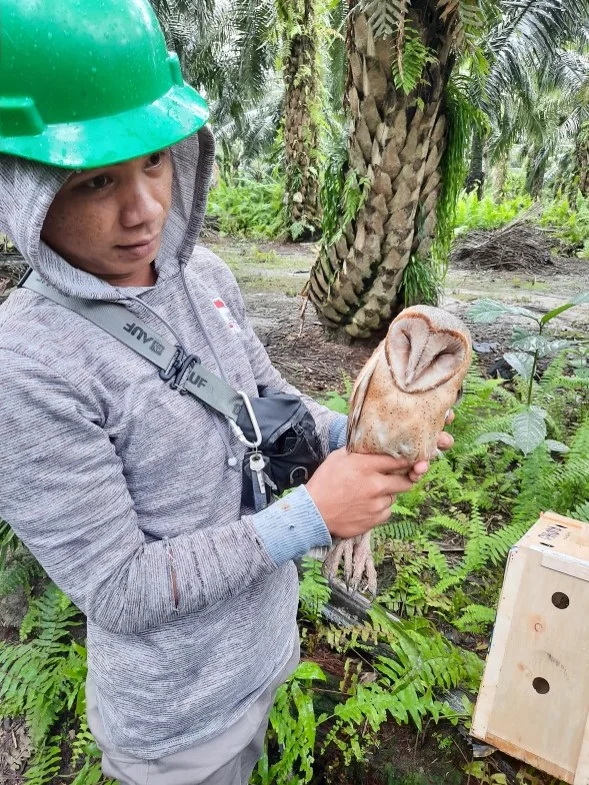
Barn Owls as Natural Pest Control
Census Activities for Targeted Pest Control
Safe Chemicals and Pesticide Use
We use chemicals and pesticides judiciously, adhering strictly to global safety standards, including compliance with WHO Class 1a/1b bans and all relevant international conventions. By combining targeted chemical use with environmentally friendly practices, we minimize risks while effectively controlling pests, ensuring a safer workplace and a healthier ecosystem for the communities we serve.
Best Practices in Sustainable Palm Oil Milling
Optimized Milling Processes
Raw Material Selection
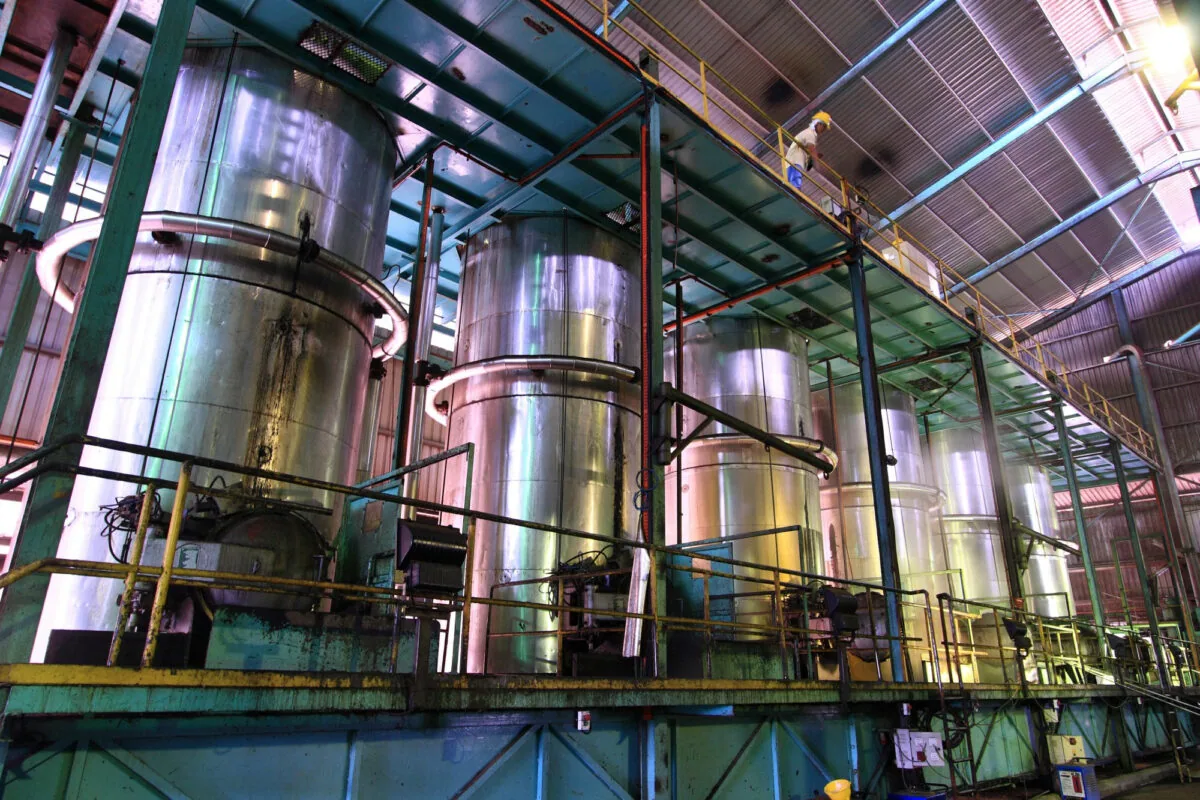
Advanced Processing Technologies
Quality Control Systems
Sustainability Integration and Environmental Stewardship
In addition to maintaining the highest product quality, we prioritize sustainability as a core value in our operations. At TSH Resources Berhad, we adopt a holistic approach to resource management, focusing on minimizing waste, saving water, and utilizing renewable energy efficiently.
- Waste Management:
We are committed to minimizing waste generation. Organic wastes like empty bunch fibre (EBF) and palm kernel shell (PKS) are used as biomass, generating renewable energy, reducing our reliance on non-renewable resources and lowers greenhouse gas emissions. - Water Management:
We implement water-saving techniques, including water recycling and treatment, to reduce water consumption and optimize usage throughout the milling process. Our closed-loop water systems help minimize waste and preserve water resources. - Energy Management:
We focus on using renewable energy sources such as:- Biogas from palm oil mill effluent (POME) to generate electricity.
- Biomass from waste products like PKS and EBF to produce energy.
Our holistic approach ensures that our operations align seamlessly with nature, demonstrating our unwavering commitment to sustainability and environmental stewardship. By reducing reliance on non-renewable energy sources, we effectively lower our carbon footprint while minimizing our overall environmental impact.
Employee Expertise
Continuous Improvement
Employee Safety and Well-Being
In addition, we follow rigorous internal Standard Operating Procedures (SOPs) to maintain operational excellence. By implementing these certifications and guidelines, we ensure that our operations meet both environmental and social expectations, reflecting our dedication to sustainable growth and responsible industry practices.