Climate Strategy & Carbon Management

Sustainability

Driving Sustainable Practices for a Greener Future

At TSH, we are committed to integrating sustainable practices into every aspect of our operations, with a focus on reducing our environmental impact, promoting renewable energy, and fostering responsible land management.

Spot this icon?

Click to see how we’re performing against our targets and what we’ve accomplished.

Spot this icon?

Click to see how we’re performing against our targets and what we’ve accomplished.

Our Commitment to Climate Strategy

At TSH, environmental sustainability is at the core of our operations. Through responsible land management, renewable energy projects, and comprehensive waste management strategies, we are dedicated to reducing our environmental footprint while promoting sustainable growth.

Driving Renewable Energy Adoption

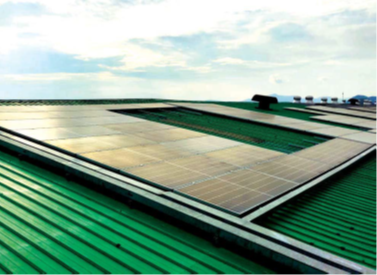
As part of our commitment to reducing greenhouse gas emissions, TSH continues to invest in renewable energy optimization. Our efforts include the installation of solar panels and the optimization of energy usage across our operations. By generating renewable energy on-site, we reduce our reliance on the national grid and minimize emissions associated with electricity consumption. This initiative is a key component of our climate strategy, helping us reduce our environmental impact and move towards a more sustainable future.

Harnessing Waste for Renewable Energy
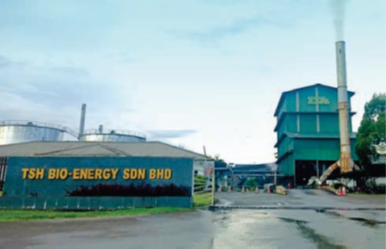
At TSH, we are committed to reducing our carbon footprint by transforming waste into valuable renewable energy. Our Bio-Integration Complex in Sabah utilizes the by-products of our plantation and mill operations, including palm oil mill effluent (POME) and biomass waste. By converting these materials into biogas and biomass for power generation, we not only reduce reliance on fossil fuels but also contribute to national renewable energy goals. This initiative plays a crucial role in mitigating climate change by producing green energy while reducing greenhouse gas emissions.

Energising Sustainable Operations

TSH recognises energy management as a key component of operational efficiency and sustainability. The Group adopts a disciplined approach to managing energy consumption across its operations, with a focus on improving efficiency, optimising energy use and reducing environmental impact. Where feasible, TSH leverages renewable energy sources, including biomass and biogas generated from plantation and milling activities, to support energy self-sufficiency and lower reliance on fossil fuels. Energy performance is monitored through defined metrics, and initiatives to enhance efficiency, reduce emissions and improve resilience are integrated into operational planning and sustainability programmes, in line with the Group’s commitment to responsible resource management and long-term value creation.

Reducing Emissions through Fire Prevention
Lowering Our Carbon Footprint

TSH is committed to managing and reducing greenhouse gas (GHG) emissions across its operations as part of its broader climate strategy and sustainability commitments. The Group focuses on improving energy efficiency, increasing the use of renewable and low-carbon energy sources, and optimising operational processes to reduce emissions intensity. Initiatives include the utilisation of biomass and biogas from plantation and milling by-products, continuous monitoring of emissions performance, and alignment with relevant regulatory, certification and reporting requirements. Climate-related risks and opportunities, including transition and physical risks, are considered in business planning and investment decisions, supporting TSH’s efforts to enhance operational resilience while contributing to long-term emissions reduction and responsible growth.

Preventing Fire, Protecting Our Assets and Environment

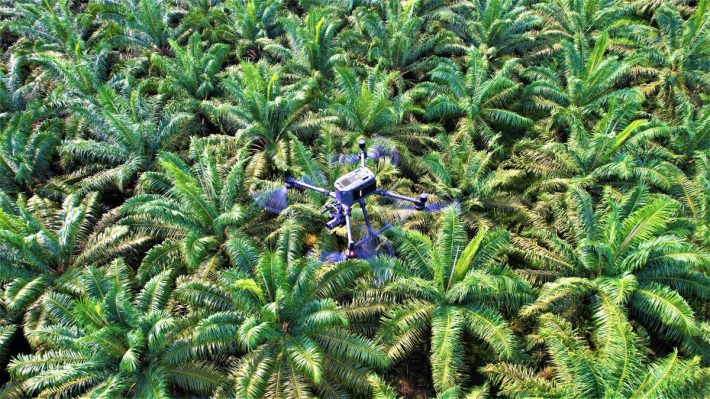
TSH adopts a proactive approach to fire prevention as part of its operational risk management and climate resilience strategy, recognising the potential impact of fires on safety, the environment, business continuity and community well-being. The Group implements preventive measures including fire risk assessments, maintenance of fire breaks and infrastructure, early detection systems, and emergency response preparedness across its operations. Employees and contractors receive regular training and awareness programmes to strengthen readiness and ensure timely response. Fire risks are monitored as part of the Group’s enterprise risk management and climate-related assessments, with controls continuously reviewed to safeguard assets, protect surrounding ecosystems, and support safe and resilient operations.

Water Stewardship and Resilience

TSH recognises water as a critical natural resource that underpins the resilience of its plantation, milling and manufacturing operations, particularly in the context of climate variability and changing weather patterns. The Group adopts a responsible water management approach focused on efficient water use, protection of water quality and compliance with regulatory and certification requirements. Key practices include monitoring water consumption, managing effluent and wastewater discharges, and implementing measures to reduce water intensity and minimise environmental impact. Where appropriate, treated effluent and rainwater are reused to optimise resource efficiency. Water-related risks, including availability and climate-related impacts, are integrated into the Group’s climate risk assessments and operational planning to support business continuity, environmental stewardship and long-term sustainability.

Managing Waste Responsibly, Protecting Our Environment

TSH is committed to responsible waste and effluent management to minimise environmental impact, ensure regulatory compliance and support circular resource use across its operations. The Group manages solid waste, biomass residues and effluent, including palm oil mill effluent (POME), in accordance with applicable laws, certification requirements and industry best practices. Waste management initiatives include proper waste segregation, treatment and monitoring of effluent discharge, and the beneficial use of by-products such as biomass. To strengthen effective implementation, TSH conducts awareness programmes, training and regular communications to promote responsible waste handling practices among employees and contractors. Waste and effluent-related risks are integrated into the Group’s operational and climate risk management processes, supporting environmental protection, community well-being and the long-term sustainability of the Group’s operations.

Sustainable Forest Management & Industrial Tree Plantations

TSH Resources Berhad is committed to mitigating climate change and advancing carbon management through sustainable forestry initiatives. In 1997, the company signed a 100-year Sustainable Forest Management License Agreement (SFMLA) with the Sabah Government to manage 123,385 hectares in the Ulu Tungud Forest Reserve (Forest Management Unit 4). The area was designated as a Class II Commercial Forest Reserve for sustainable timber production while conserving carbon stocks and biodiversity.

In 2016, TSH surrendered 28,375 hectares of the licensed area, which was reclassified as Class I Protection Forest for conservation purposes. This reduced the licensed area to its current 95,010 hectares, underscoring TSH’s dedication to responsible forest management and environmental preservation.

  • Sustainable Forest Management (SFM): Around 50,000 hectares are managed under a Natural Forest Management (NFM) regime to maintain ecological integrity.
  • Industrial Tree Plantations (ITP): Around 10,000 hectares are planted with ITP species including Rubber (Hevea brasiliensis), Laran (Neolamarckia cadamba), Binuang (Octomeles sumatrana), Akasia (Acacia mangium), Batai (Albizzia falcataria), Teak (Tectona grandis)
  • Carbon Stock Contribution: The Ulu Tungud Forest Reserve contributes significantly to carbon sequestration. Based on LiDAR assessments conducted in 2016, aboveground carbon stocks in the project area have significantly increased over time due to limited harvesting and consistent annual growth, reflecting enhanced biomass and carbon sequestration capacity.
  • Biodiversity and Community Impact: The reserve supports high biodiversity, including several IUCN-listed flora and fauna. Adjacent communities of about 2,000 individuals also benefit from sustainable development initiatives, improving livelihoods while promoting environmental stewardship.

Through sustainable forestry, TSH Resources Berhad demonstrates a balanced approach to carbon management, biodiversity conservation, and community support, contributing to global climate action and sustainability goals.

Protecting Biodiversity for Climate Resilience

Our commitment to High Conservation Value (HCV) protection ensures the preservation of areas that are vital for both biodiversity and carbon sequestration. These HCV areas help maintain ecosystems that act as natural carbon sinks, such as forests and wetlands. By safeguarding these environments, we support climate resilience and help offset carbon emissions, contributing to both biodiversity conservation and the global effort to combat climate change.

Target Statement / No. : To divert >95% waste from disposal /E5, E2
Achievement:

Waste Generation (mt)FY2023FY2024FY2025
Biomass1,283,1471,225,4821,193,161
General4271,4861,432
Scheduled Waste409343
Total Waste Generated1,283,6141,227,0621,194,635
Waste Diverted from Disposal (%)99%99%99%

Energy Consumption (GJ)FY2023FY2024FY2025
Renewable source
- Biomass
- Biogas
- Solar
143,338138,345135,020
Non-renewable source13,03249,30444,922
Total Energy Consumption156,370187,649179,942
Renewable Energy (%)91.6773.7375.04

Last Updated: 31 December 2025

For more info, please refer to Annual Report FY2025

Target Statement / No. : To reduce energy consumption intensity at the Mills / E2
Achievement:

Energy Consumption (GJ)FY2023FY2024FY2025
Total Energy Consumption156,370187,649179,943
Energy Consumption Intensity (GJ/mt CPO)0.440.430.43

Last Updated: 31 December 2025

For more info, please refer to Annual Report FY2025

Target Statement / No. : To reduce GHG emission intensity /E1
Achievement:

Group’s Absolute Emission (tCO2eq)FY2023FY2024FY2025
Scope 1260,867236,918205,668
Scope 25,1485,0926,578
Scope 3
(Business travel & Employee commuting)
2,5851,8651,651
Total CPO Production232,543199,142207,142
GHG Emission Intensity (tCO2eq/tCPO)1.161.221.03

GHG emission avoided (tCO2eq)FY2023FY2024FY2025
Renewable Energy (%)91.6773.7375.04
Total GHG emission avoided (biogas, biomass & solar)24,07322,61821,811

Last Updated: 31 December 2025

For more info, please refer to Annual Report FY2025

Target Statement / No. : To achieve 100% completion of planned stakeholder engagements and focus group discussions (FGD) /E8
Achievement:

FY2023FY2024FY2025
Completion of planned FGD sessions (%)100100100

Last Updated: 31 December 2025

For more info, please refer to Annual Report FY2025

Target Statement / No. : To keep mill water use below 1.5m3/mt FFB processed /E2
Achievement:

FY2023FY2024FY2025
Group Water Consumption (m3)1,037,8563,065,9652,990,435
FFB processed (mt)1,151,5901,004,3171,023,280
Water Consumption Intensity (1.5m3/mt FFB processed)0.951.031.03

Last Updated: 31 December 2025

For more info, please refer to Annual Report FY2025

Target Statement / No. : To ensure BOD and COD compliance in effluent discharge /E7
Achievement:

TargetFY2023FY2024FY2025
BOD (mg/L)KPOM: 20
PT AAI: 100
Others: 5,000
KPOM: 18
PT AAI: 18
Others: 1,184
KPOM: 18
PT AAI: 29
Others: 718
KPOM: 18
PT AAI: 59
Others: 1,109
COD (mg/L)PT AAI: 350PT AAI: 281PT AAI: 164PT AAI: 151

Last Updated: 31 December 2025

For more info, please refer to Annual Report FY2025